

Commentary
Marc Pierini
{
  "authors": [
    "Marc Pierini"
  ],
  "type": "commentary",
  "centerAffiliationAll": "",
  "centers": [
    "Carnegie Endowment for International Peace",
    "Carnegie Europe"
  ],
  "englishNewsletterAll": "",
  "nonEnglishNewsletterAll": "",
  "primaryCenter": "Carnegie Europe",
  "programAffiliation": "",
  "regions": [
    "Europe",
    "Ukraine",
    "United States"
  ],
  "topics": [
    "EU",
    "Foreign Policy"
  ]
}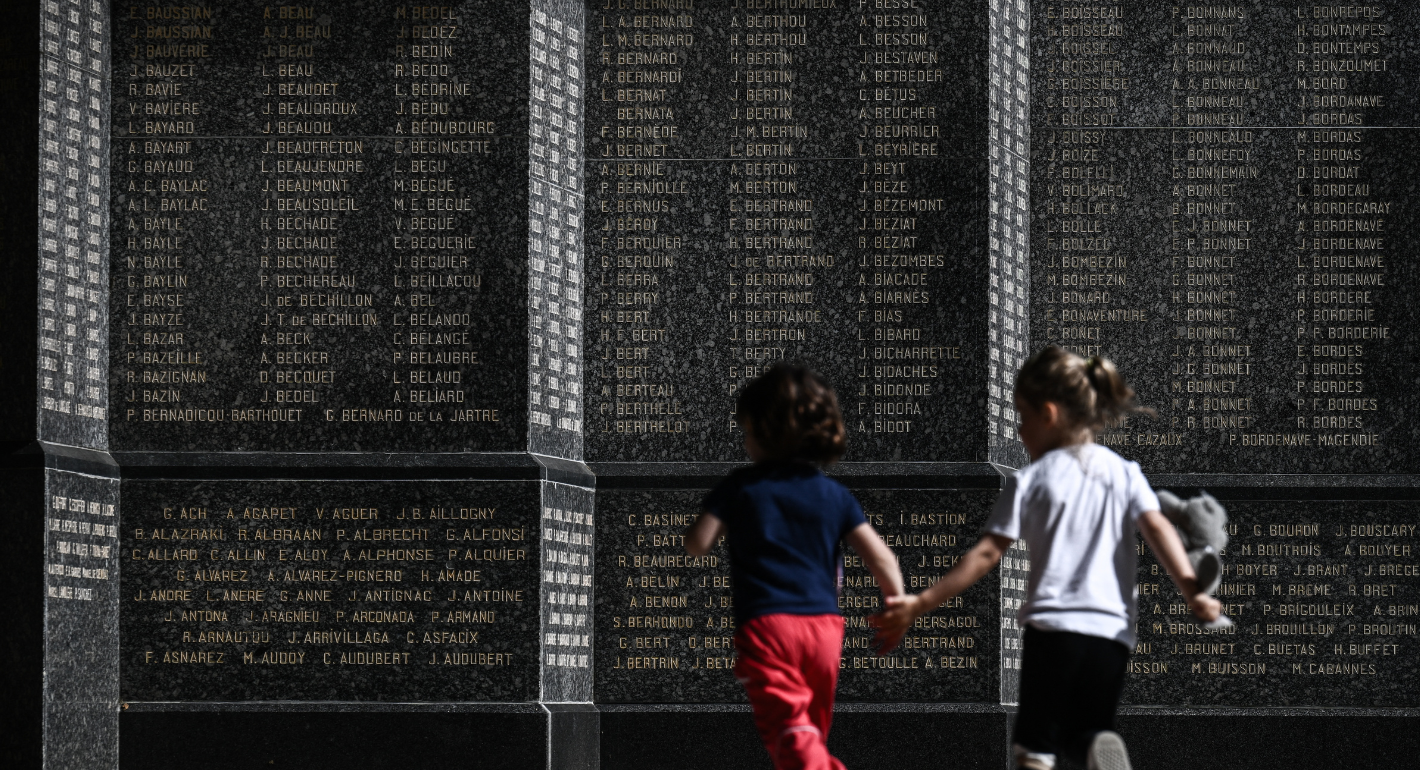
A World War II memorial in Bordeaux, France (Photo by Philippe Lopez/AFP via Getty Images)
The wars in Ukraine and the Middle East are existential threats to Europe as a peace project. Leaders and citizens alike must reaffirm their solidarity to face up to today’s multifaceted challenges.
Four years ago, Russia started an unprovoked war against Ukraine. The war goes on unabated, with Moscow seeking to gain territory while weakening NATO and the EU. In the meantime, in this year’s war against Iran, Israel has shown absolute resolve and the United States has displayed uncertain tactics while initially ignoring Western Europe. In both cases, European leaders—be they from NATO or non-NATO states, EU members or nonmembers—have shown a strong reluctance to engage in a full-fledged war. Behind this attitude, there is both an explanation and a rationale.
Europe’s not-too-distant history provides an explainer. For most of the first half of the twentieth century, Western Europe was at war, and millions of its people were killed or subjected to displacement and destruction. All families in Europe have carried this collective pain ever since, as I recently documented in a memorial booklet (in French).
When World War II was over, a spectacular effort was undertaken to rebuild Europe’s economies with U.S. help through the Marshall Plan, organize international relations through the UN Security Council and other multilateral institutions, and foster peace and reconstruction in Europe through the project that became the EU. Europeans accepted the motto of “never again.” To this day, that past remains the driver behind the EU’s endeavors and its collective economic and military support to Ukraine.
But the collective memory of war faded. So did the threat perception after the collapse of the Soviet Union. As a consequence, “never again” became less appealing to younger generations, as noted last December by Poland’s Foreign Minister Radosław Sikorski.
This evolution has been accompanied by a collective feeling of relief since the fall of the Soviet Union and the accessions of most Central and Eastern European countries to the EU and NATO. Meanwhile, under President Vladimir Putin, Russia has undertaken a systematic effort to harass NATO’s defenses and offer ideological and financial backing to hard-right governments and political parties that hold anti-EU and anti-NATO positions. Today, the effects of this policy are visible, for example in Hungary’s active dissent against EU support for Ukraine.
More recently, the second U.S. presidency of Donald Trump has, since its inception, aired strong disagreements with NATO and the EU. U.S. Vice President JD Vance’s speech at the February 2025 Munich Security Conference was an unexpected watershed moment—to the point that several European leaders were left in a state of disbelief.
But the disbelief didn’t last long. The U.S. National Security Strategy, published in early December 2025 with Trump’s seal and signature, not only confirmed the criticisms of Western European nations but also launched a deliberate ideological war on the EU’s political and economic architecture. This hostile document also signaled that U.S. diplomats would prioritize working with “patriotic” governments and parties. This policy translated into cabinet-level visits in support of the most anti-EU and anti-NATO politicians and parties, for example Hungary’s prime minister and the Alternative for Germany.
Trump’s second presidency didn’t stop at provocative policy documents. There followed acrimonious statements unbecoming of a centuries-long ally, such as the astonishing claim that European troops deployed to Afghanistan as part of the NATO presence there from 2001 to 2014 had avoided the front lines. The president made similar assertions about Europe’s involvement in the war on Iran, adding, “we will REMEMBER!”
More fundamentally, Europe’s attitude toward never-ending wars has a rationale. The “never again” mantra is what spurred the work of a small group of European policymakers in the late 1940s, resulting in the bold Schuman Declaration and the no-less-bold European Coal and Steel Community. Six of the warring countries of World War II—Belgium, France, Italy, Luxembourg, the Netherlands, and West Germany—chose to delegate the management of the two most essential resources for Europe’s reconstruction to a multinational body composed of senior officials and controlled by ministers from the member governments.
This was a first step toward European economic integration and common policies. It had taken many millions of dead and wounded across Europe to get leaders to make a strong political decision to consolidate peace, manage reconstruction, and organize joint efforts to restore prosperity.
I vividly remember a discussion in mid-2025 when one of the three U.S. ambassadors in Brussels told a small group of think tankers that he had not yet heard a good explanation of why the EU was created. I took the liberty of recalling the rationale behind Europe’s aversion to war and hinted that my own family’s history was an example of European citizens’ common past: a great-uncle who was a frontline gunner at the Battle of Verdun in 1914; a father who was arrested in 1940 for helping an anti-Mussolini resistance fighter, before being rehabilitated in 1945; another uncle who led a resistance network in the southern Alps, clearing the way for U.S. troops before their July 1944 landing in southeast France; and a father-in-law who was believed killed in action in May 1940 in the Somme Valley but was ultimately rescued by his own troops. This was no exceptional history; it was everybody’s fate across Europe. And it became “never again.”
Back to the future, rearming Europe is now underway, since total reliance on the U.S. security umbrella is a thing of the past. Many decisions to rearm have been made at several levels: by the EU, by the Coalition of the Willing that supports Ukraine, and by smaller groups of countries, including Canada. Yet by definition, rearmament is a process for the long haul.
In the short term, what emerges from the recent evolution of the transatlantic relationship and Europe’s internal developments is a set of three watershed moments.
First, what was unthinkable for a whole eighty years has now happened. European leaders’ personal bonds with a U.S. president have been harmed beyond repair. Even if dialogue continues with the Trump White House, trust has been broken, and as a result, the relationship will be more distant and less personal. The Israeli-U.S. war on Iran has made things worse.
Second, Moscow’s long-term effort to undermine Western Europe, the EU, and NATO with its support for hard-right governments and political parties has resulted in the progress of pro-Russia, anti-EU forces across the continent. Neither NATO nor the EU will likely be erased, but their survival will require drastic changes.
Third, the EU’s political architecture has not been able to cope on its own with the security challenges encountered since February 2022. The EU proved too slow to process decisions and unable to reach unanimity because of the bloc’s voting rules and internal dissent. It had to counter Hungary’s connivance with the Kremlin and the Trump White House. It had to invent novel financial arrangements to enable higher security spending. It even witnessed a reverse Brexit and incorporated the UK back into ad hoc security formats. And it involved other actors, such as Canada, Iceland, and Norway, in policymaking and security commitments. These short-term measures succeeded in a meaningful way, but they also revealed structural weaknesses. There is a need for corrective action along the lines suggested by Carnegie’s Stefan Lehne: “The EU is structurally incapable of reacting to today’s foreign policy crises. The union must fold the EEAS into the European Commission and create a security council better prepared to take action on the global stage.”
In the long term, European leaders—those not only of the EU but also of Iceland, Norway, and the UK plus Ukraine and Moldova—now have to draw the lessons of recent events. Externally, that means tackling a permanently hostile Russia; factoring in an ideologically hostile United States, including the affinity between its president and the Russian leader; and dealing with a multipronged conflict in the Middle East and its economic impact. Internally, it means renovating Europe’s institutional architecture to avoid deadlocks resulting from the actions of present or future disruptors and imagining new policymaking formats to include countries such as the UK or Ukraine in specific circumstances.
All of these shifts must be organized while preserving Europe’s rule of law and democratic architecture.
Admittedly, these priorities make up a tough shopping list for European leaders, and many doubts have been voiced about their capacity to face up to this multifaceted challenge.
Europe’s present political landscape has been aptly described by many authors recently. The 2025 publications of two compatriots of mine are worth quoting from. French historian Sylvain Kahn observed, “The Atlantic alliance died in 2025. Europeans are alone but together in peace, and they are far from isolated. Their future depends on their wisdom and their choices.” Meanwhile, former French prime minister Alain Juppé wrote, “I am convinced there is another way [than war]: affirm proudly who we are and consolidate what unites us. What unites us is stronger than what divides us. The very memory of our past battles creates a bond between us: We waged so many wars among ourselves that we want to be a power of peace.”
Ultimately, Europeans of all ages—leaders and citizens alike—must remember the promise made in the immediate aftermath of World War II: never again.

Senior Fellow, Carnegie Europe
Pierini is a senior fellow at Carnegie Europe, where his research focuses on developments in the Middle East and Turkey from a European perspective.
Recent Work
Marc Pierini



James M. Acton, Saskia Brechenmacher, Cecily Brewer, …
Carnegie does not take institutional positions on public policy issues; the views represented herein are those of the author(s) and do not necessarily reflect the views of Carnegie, its staff, or its trustees.
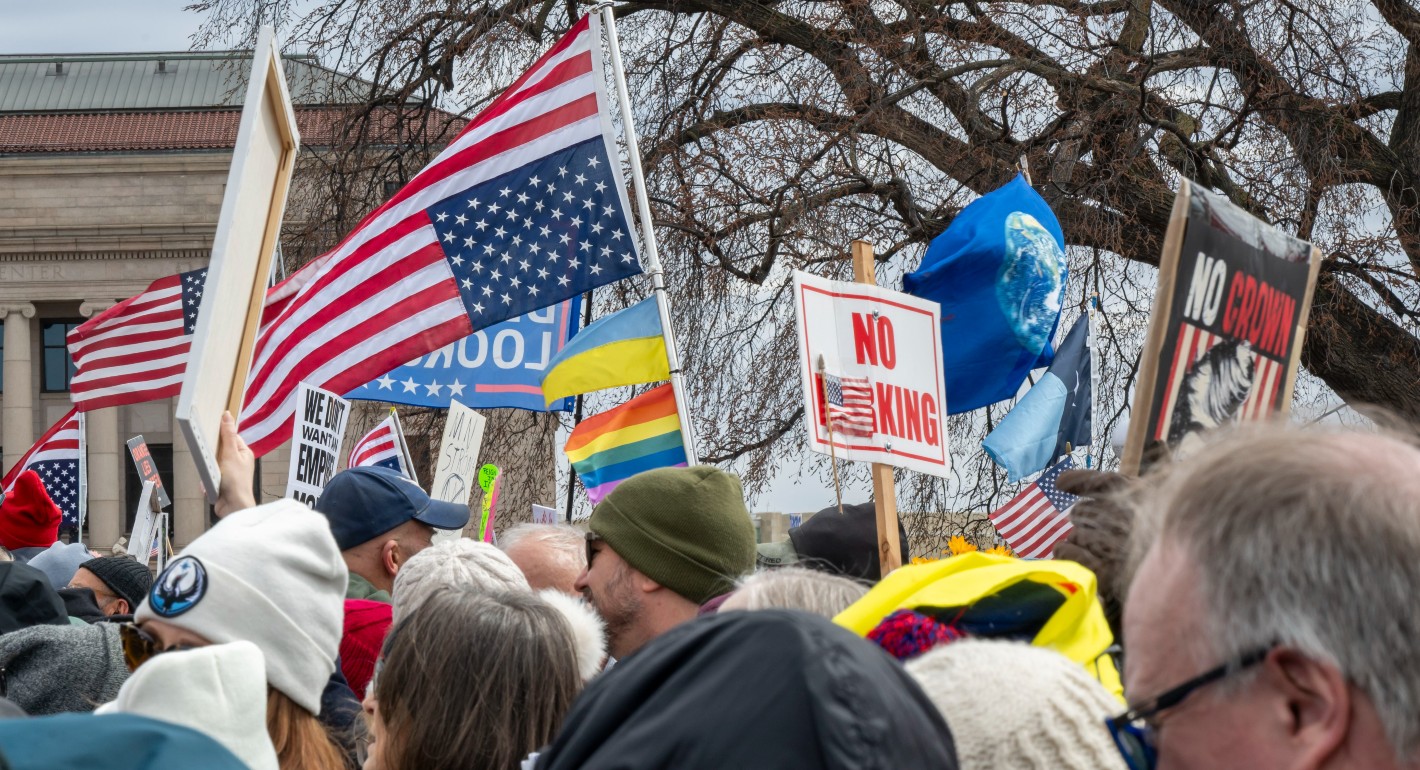
Lessons from other backsliding democracies show that mass mobilization needs to feed into an electoral strategy.
Saskia Brechenmacher, Shreya Joshi
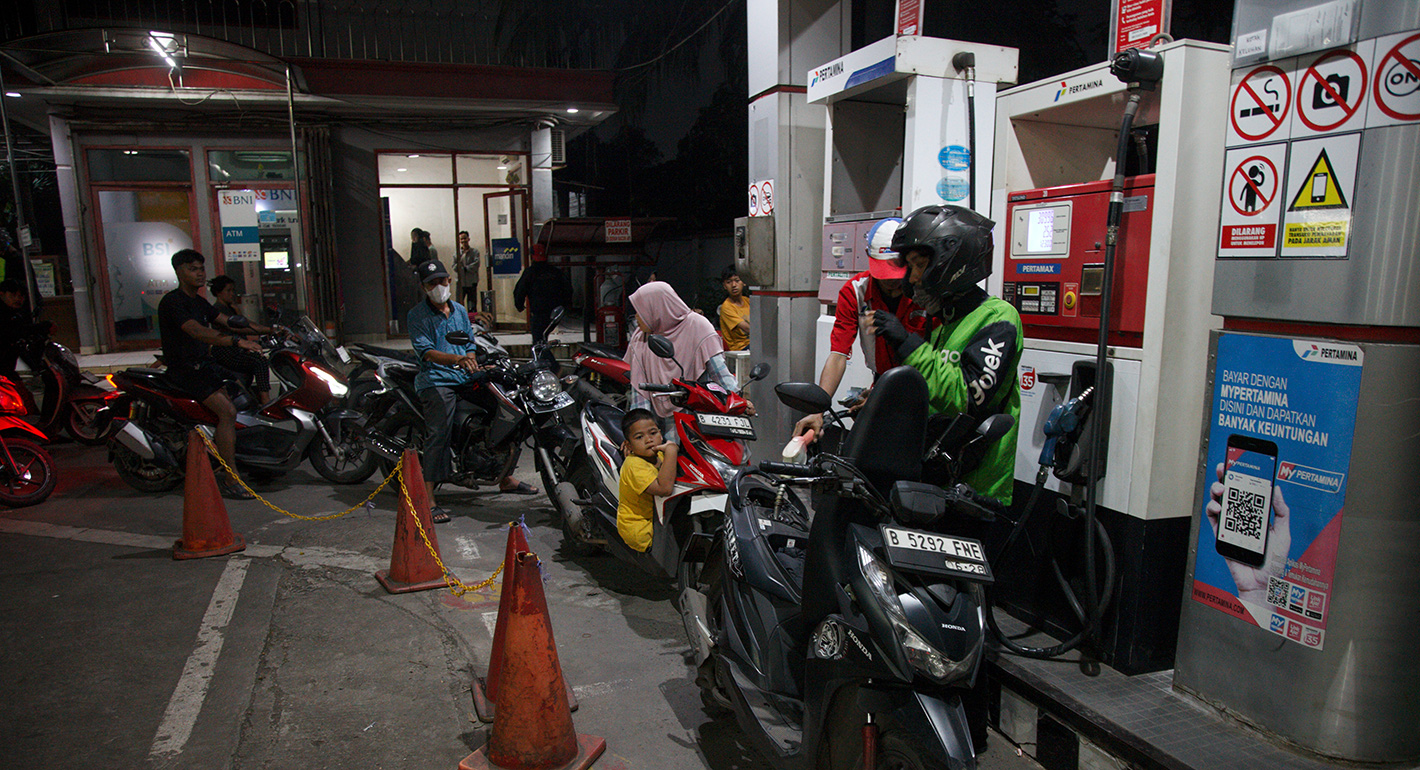
As conflict in the Middle East drives up fuel costs across Asia, Indonesia faces difficult policy trade-offs over subsidies, inflation, and fiscal credibility. President Prabowo’s personalized governance style may make these hard choices even harder to navigate.

Sana Jaffrey
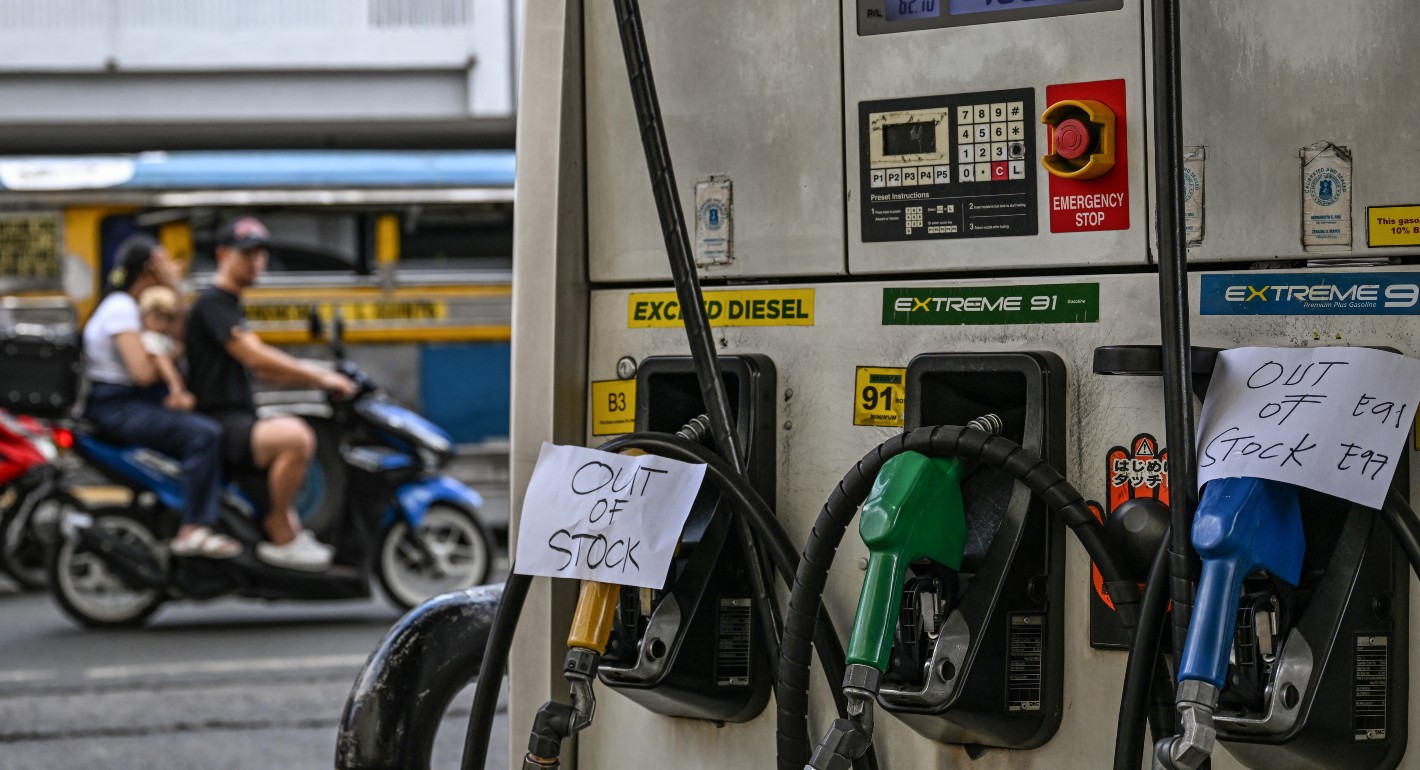
The United States ignores the region’s lived experience—and the tough political and social trade-offs the war has produced—at its peril.

Evan A. Feigenbaum
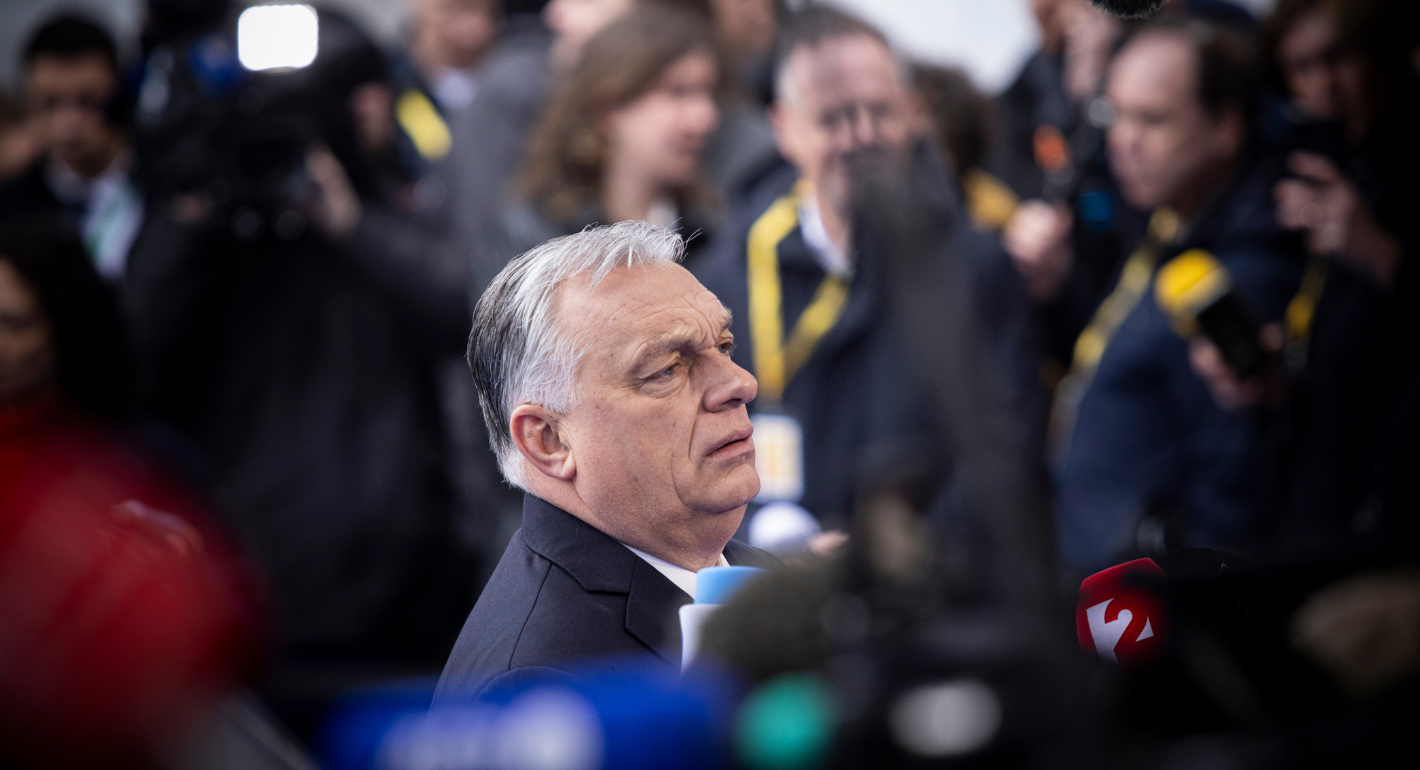
Hungarians head to the polls on April 12 for an election of national and European consequence. Three different outcomes are on the cards, each with their own implications for the EU.

Zsuzsanna Szelényi
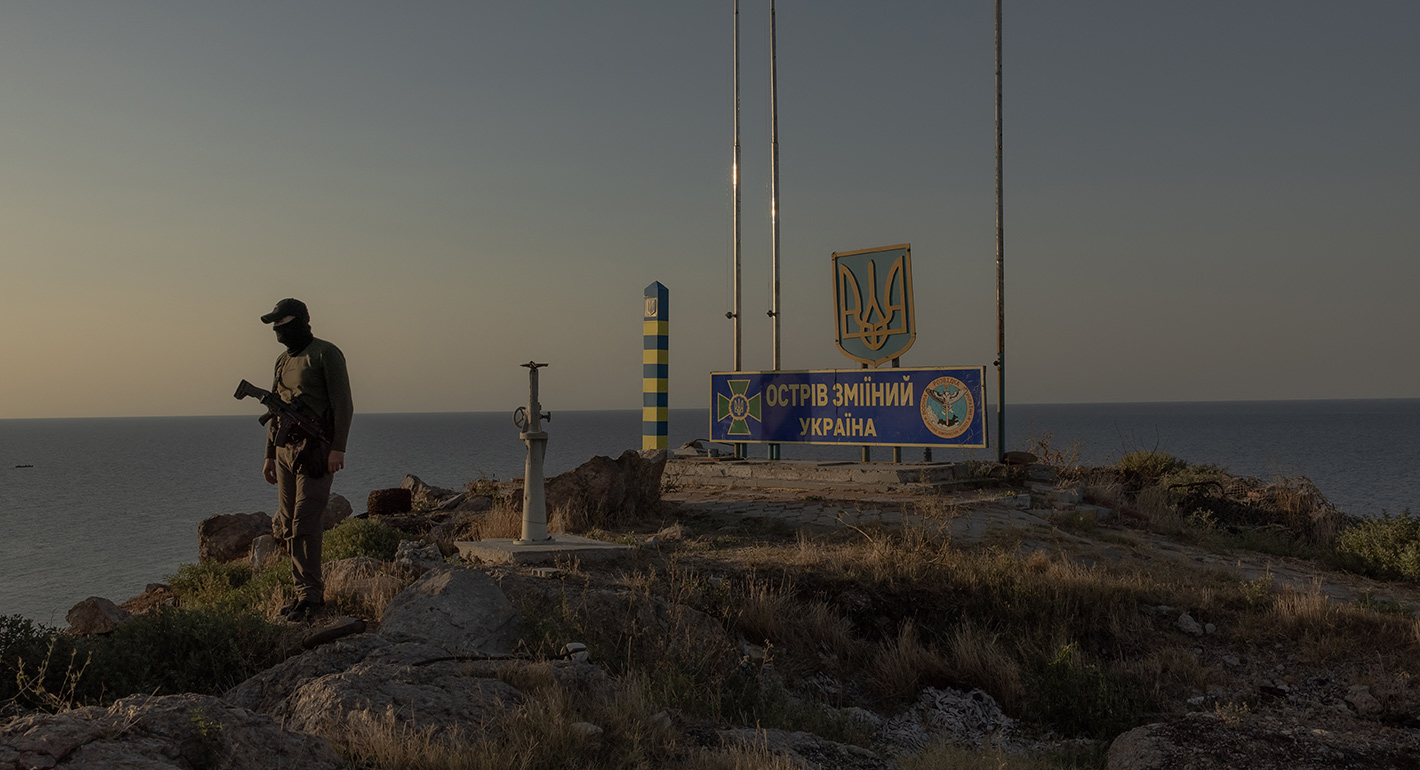
Ukraine’s asymmetric approach has rendered Russia’s Black Sea Fleet functionally useless. But a long-term commitment will be needed to maintain this balance of power.
Alina Frolova, Stepan Yakymiak